The real problem is rarely that a contractor has no idea how much material was purchased. The problem is knowing where that material is now, which job it belongs to, what has already been issued, what moved elsewhere, and whether another order is actually necessary. Good material management should follow the reality of the jobsite, not force the jobsite to fit a spreadsheet.
Construction materials rarely stay where they were first recorded. A delivery arrives at the warehouse, part of it is loaded into a van, another part goes directly to a jobsite, leftovers are moved to a second project, and a few days later someone in the office is trying to work out whether more needs to be ordered. That is where material management usually breaks down.
Most contractors already have some form of record. It may be a spreadsheet, a purchasing list, delivery notes, an accounting system, or a warehouse tool. The problem is not necessarily that the data does not exist. The problem is that the real-world movement of materials often happens faster than the records are updated.
On one small project, that gap can be managed through memory and phone calls. A site manager knows what arrived yesterday. The warehouse person knows what is still on the shelf. If something is unclear, somebody makes a quick call.
Once several projects are running at the same time, that informal system starts to fail. Information gets spread across people, vehicles, jobsites, spreadsheets and chat threads. A simple question such as “Do we still have enough of this?” turns into a chain of calls. At that point, material management is no longer just a warehouse issue. It becomes an operations issue, much like the coordination described in the guide to managing multiple construction projects.
The expensive material is often the material you already bought twice
Material loss does not always look dramatic. A pallet does not have to disappear for a contractor to lose money. A far more common problem is duplicate purchasing caused by poor visibility.
Project A finishes a phase with unused fixings, pipework, electrical components or finishing materials. A week later, Project B needs the same items. Nobody on Project B knows that the stock exists elsewhere, so a new order is placed. Later, the leftover material is discovered in a container, returned to the warehouse or moved after the fact.
From an accounting perspective, both purchases may look perfectly legitimate. Operationally, however, the contractor paid twice for something that may only have needed to be located once.
The same pattern happens with lower-value consumables. Adhesives, anchors, fasteners, blades, chemicals, fittings, cable, protective materials and other small items do not look significant individually. Across multiple active jobs, repeated over-ordering adds up.
Then there is the cost of time. Site managers, foremen and office staff spend time asking who has what, checking vans, calling other jobs, opening different spreadsheets and trying to reconstruct what happened. The material itself is only part of the cost. The search for information is another. A good material management process should reduce both.
A simple way to tell whether your material process is already a problem
Not every contractor needs a sophisticated inventory system. A basic spreadsheet can work perfectly well when there is one store, a limited number of materials and very few movements. The better test is not how many line items you have. It is how often your team has to compensate for the system manually.
If several of these situations happen regularly, the problem is probably bigger than an untidy warehouse:
- people frequently call to ask whether a material is still in stock,
- site managers check other jobs before placing an order,
- material moves between projects without a clear transfer record,
- spreadsheet quantities do not match what is physically available,
- nobody is quite sure what remained on site after a phase was completed,
- materials are reordered “just in case” because nobody trusts the current stock figure,
- it is difficult to trace where a particular issue or delivery actually ended up,
- office staff regularly rebuild material information from messages, calls and delivery notes.
These are not primarily stock-counting problems. They are information-flow problems. That distinction matters because adding more columns to a spreadsheet will not necessarily solve them.
Knowing the quantity is only half the answer
“How much do we have?” is useful. For a construction company, however, the next question is just as important: “Where is it?”
A system may show 120 units of a particular material, but that number alone may be misleading. Forty could be in the central warehouse, thirty on one project, twenty in a vehicle, and the remaining thirty already allocated elsewhere. The company technically owns 120 units. That does not mean all 120 are available for the next job.
This is why good construction material management needs to track movement, not just quantity. Materials are received. They are issued. They are transferred. They move between warehouses and jobsites. Each of those events changes what is realistically available to each project. If those movements are recorded consistently, the stock figure begins to mean something. If they are not, even a beautifully designed inventory dashboard becomes unreliable.
History matters too. When somebody asks a week later what happened to a particular batch, the answer should not depend on whether one specific employee happens to remember the delivery. The movement should be traceable. That is the difference between a stock list and operational material control.
A stock figure does not tell you where the material is.For contractors, availability depends on location. Good material management shows what is in stock, where it is, which project it belongs to, and how it moved there.
Why spreadsheets eventually fall behind the jobsite
There is nothing inherently wrong with Excel. For a small contractor with one warehouse, a limited stock list and one person responsible for most movements, a well-maintained spreadsheet can be enough. The problem appears when several people change the physical reality faster than the spreadsheet can be updated.
Imagine the file shows 100 units at 8:00 a.m. At 9:00, one crew takes 20. At 11:00, another 30 are sent to a different project. Ten units come back later in the afternoon. If all of that is entered at the end of the day, the spreadsheet is technically digital but operationally out of date for most of the working day.
The situation becomes more difficult when multiple spreadsheets exist. The warehouse keeps one file. Project managers have their own lists. Purchasing keeps another. Some information is in email. Some is in WhatsApp. Some is only in somebody’s head. At that point, the company does not necessarily have too little data. It has too many versions of the truth.
A better system should therefore do more than replace a spreadsheet with a nicer interface. It should shorten the gap between a physical material movement and the digital record of that movement. The goal is not a perfect inventory report once a month. The goal is reliable enough information at the moment somebody needs to decide whether to issue, transfer or reorder material.
What a simple material process should look like
A practical material process does not need to be complicated. It does need to be clear.
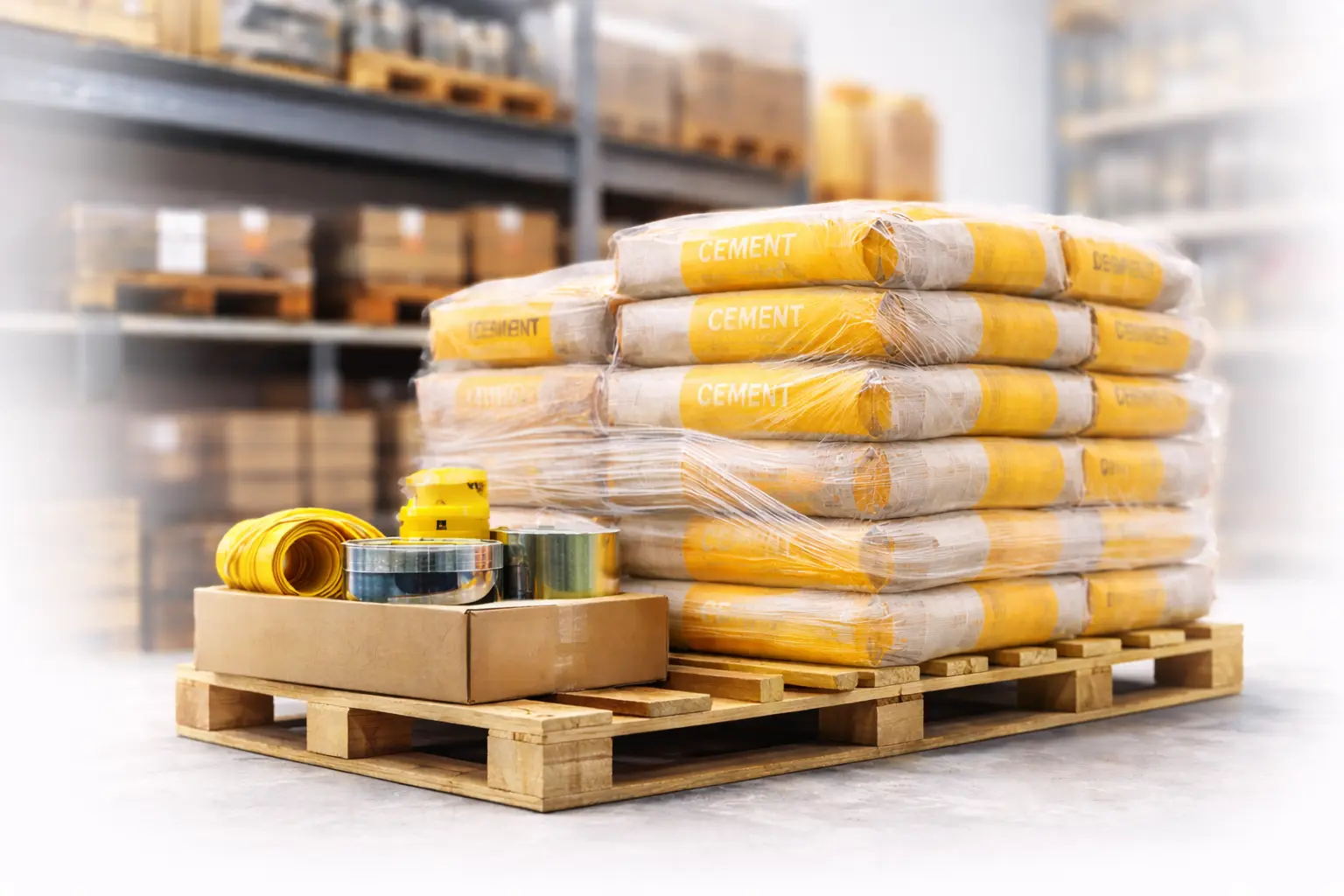
A delivery arrives and is received into the correct warehouse or project stock. When material leaves, the issue is recorded against the place it is going. If unused stock moves from Project A to Project B, it should not simply disappear from one location and reappear informally at another. The transfer should be visible. That creates a basic chain: material received, material issued, material transferred, current location updated.
The process is simple, but it answers important operational questions. Before placing a new order, the team can check whether the required item is already available elsewhere. Before somebody drives across town to collect materials, the location can be verified. When a project finishes, leftover stock can be returned or transferred instead of simply becoming invisible.
The key is not to track every screw. The level of detail should match the value of the material, how frequently it moves and how costly poor visibility becomes. Some items need only basic control. Others cause repeated purchases, delays or unnecessary site-to-site transfers if nobody knows where they are.
This also affects implementation. A common mistake is trying to catalogue everything the company has ever owned before the process has even been tested. That creates a large administrative project before anyone knows whether the workflow will actually be used. A better approach is to start where the pain is real. If electrical materials move constantly between jobs, start there. If leftover finishing materials are regularly lost after handover, start with returns and transfers. If the central warehouse causes the most confusion, test that location first. A good system should expand with real use, not with an idealised database design.
Material belongs to a job, not only to a warehouse
This is one of the biggest differences between generic inventory management and construction operations. In a classic warehouse process, a stock movement may end with the statement that 20 units were issued. For a contractor, that is often where the important context begins.
Where did they go? Which project received them? Did they later move to another job? Were some returned? Are they still physically on site?
Material is part of project delivery. That means material information becomes far more useful when it is connected to the job itself. The same logic applies to equipment and asset tracking, because tools travel between jobsites in exactly the same way.
On multiple concurrent projects, this context matters even more. An issue is not just a reduction in total stock. It shows that material has gone to a specific site. A transfer shows that the material changed location and project context. A history shows how it moved.
This makes material management part of project management rather than a separate back-office activity. It also reduces the gap between field and office. The site team should not maintain one version of project reality while the warehouse maintains another and the office tries to reconcile both later. The more those records can exist in the same operational context, the less reconstruction is required.
What construction material management software should actually do
When comparing systems, it is easy to get distracted by the number of features. A better way to evaluate material management software is to look at the decisions your team has to make every day.
Can the company manage more than one warehouse or storage location? Can materials be linked to projects? Can users record receipts, issues and transfers? Can somebody see movement history? Can the team quickly work out where a particular item is located?
Then ask a more important question: how difficult is it to record a normal movement? If moving material between two jobs requires several screens and a long form, people are unlikely to record every transfer consistently. A theoretically precise system then produces inaccurate data because the process does not fit the jobsite.
Construction software should therefore reflect the realities of construction. The warehouse is not an isolated department. A contractor is simultaneously managing jobs, people, schedules, tasks, photos, documentation, equipment and site records, which is why the wider overview of construction management software is worth reading alongside any warehouse comparison. Material is part of that same operational picture.
That is why connection to the project often matters more than an extremely long list of specialist warehouse features. The system does not need to replace every accounting or enterprise warehouse tool. It needs to solve the operational questions that happen every day: what do we have, where is it, which project has it, where did it come from, where did it go, and do we actually need to order more?
How material and warehouses work in Stavario
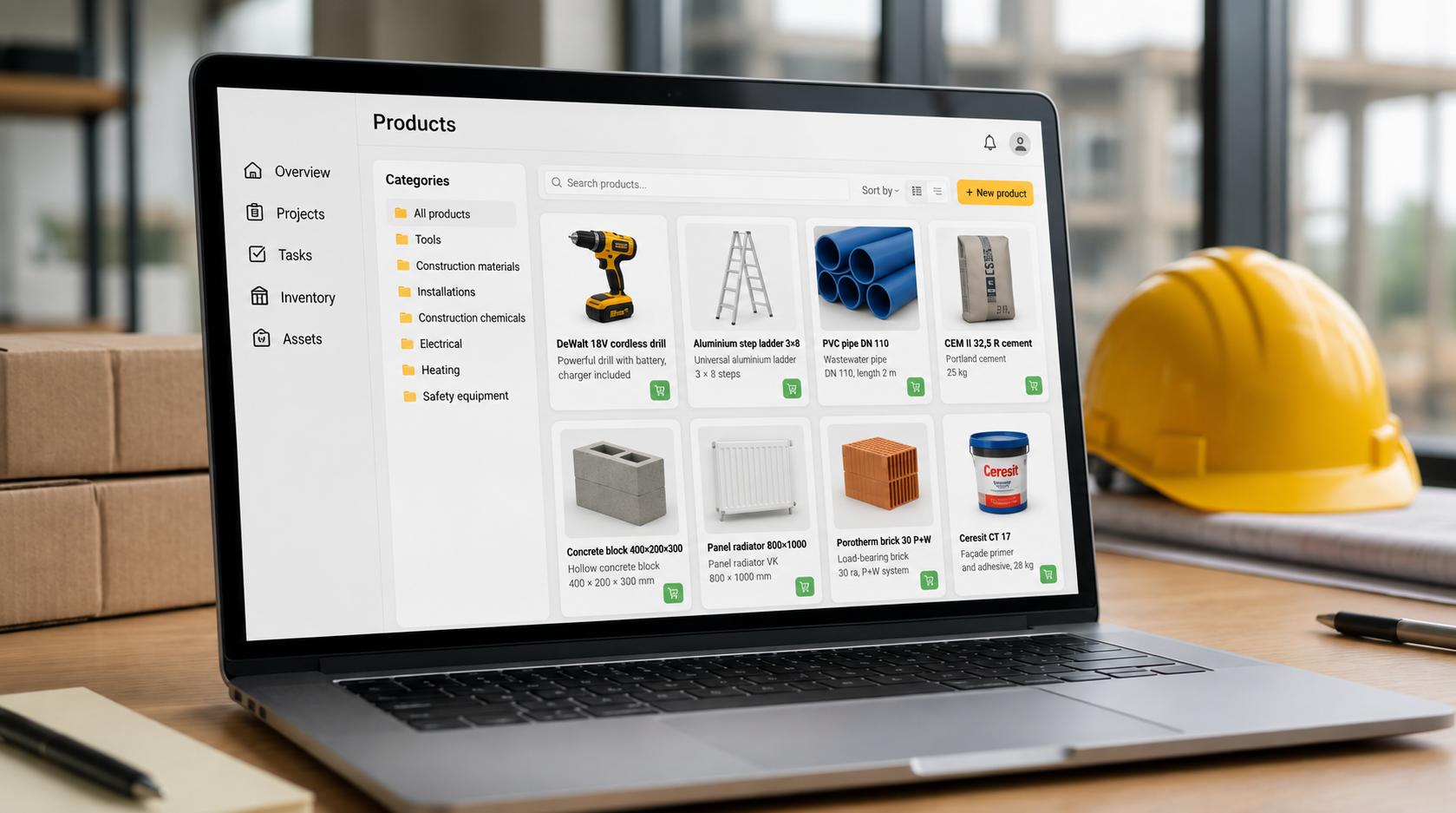
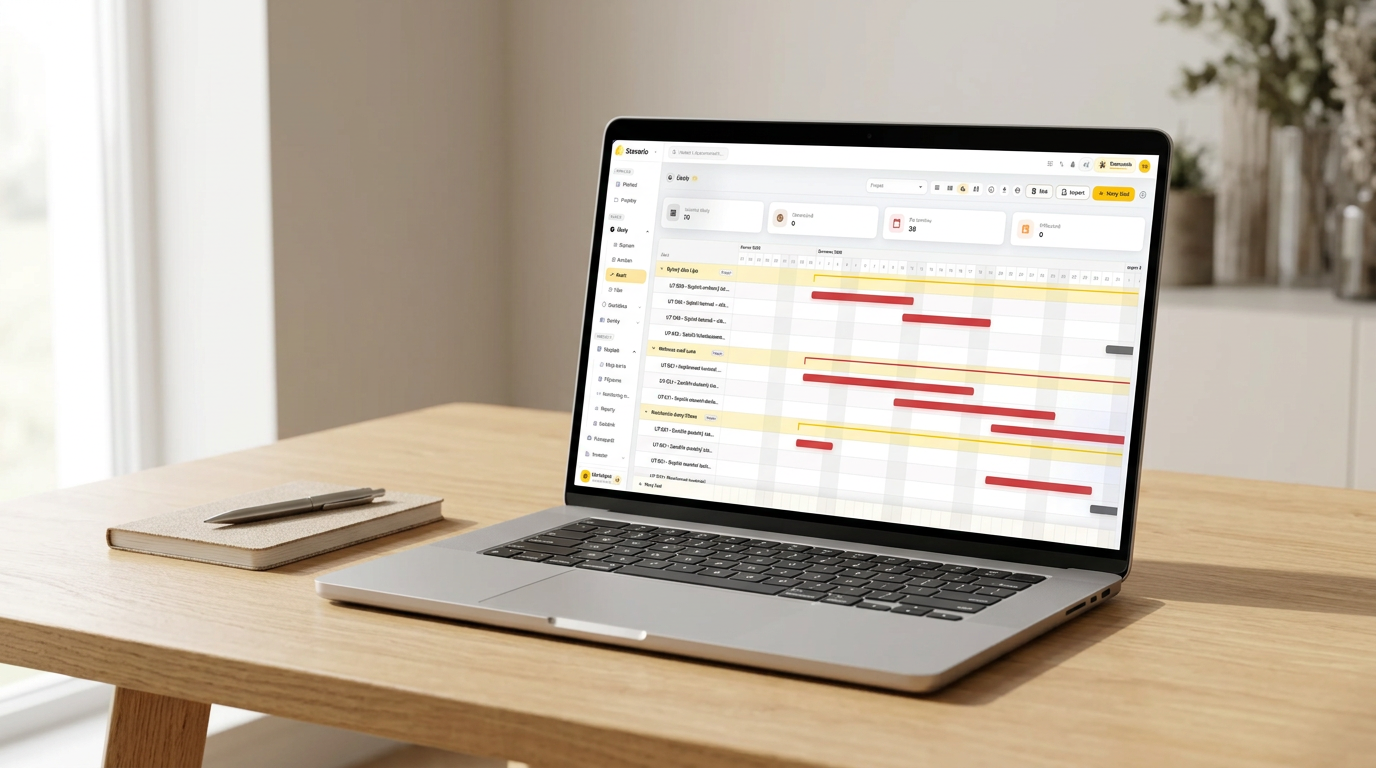
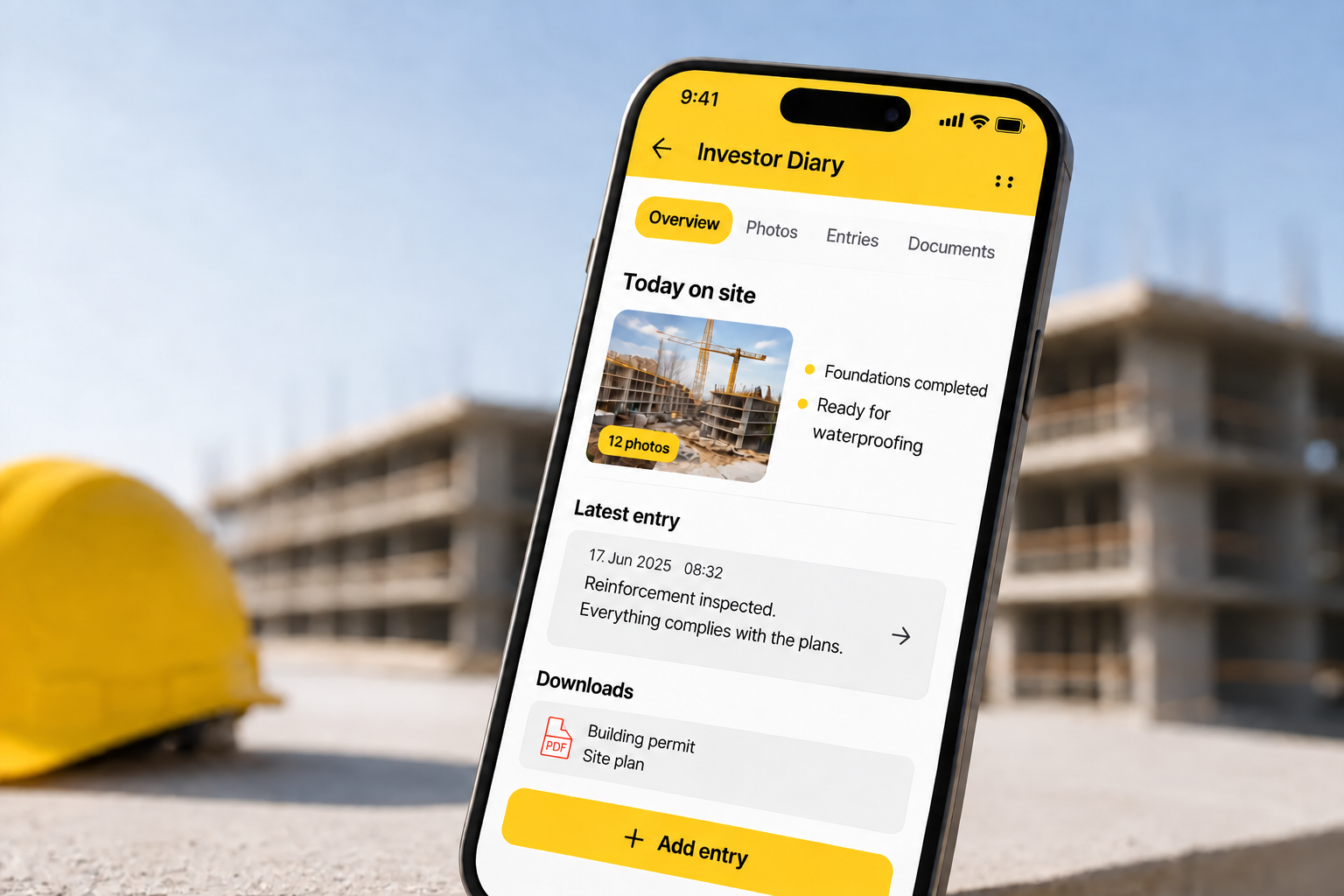
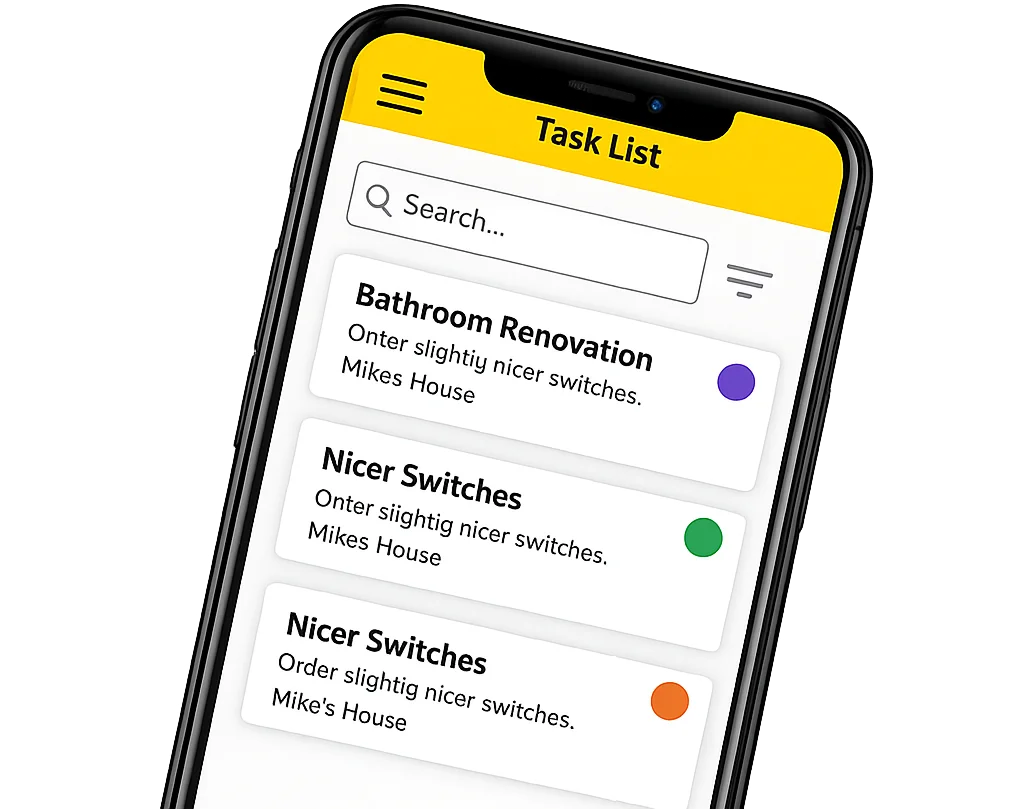
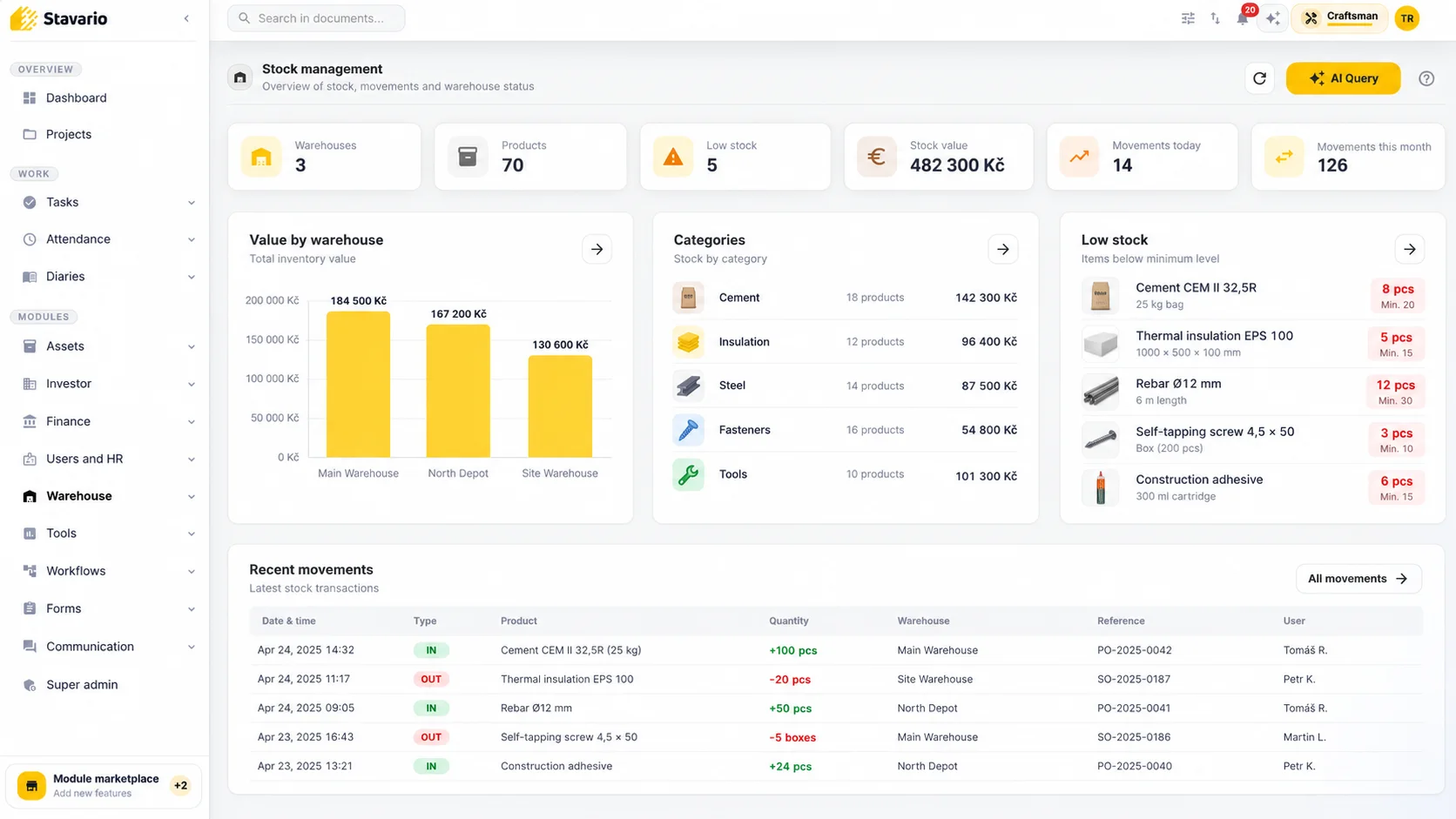
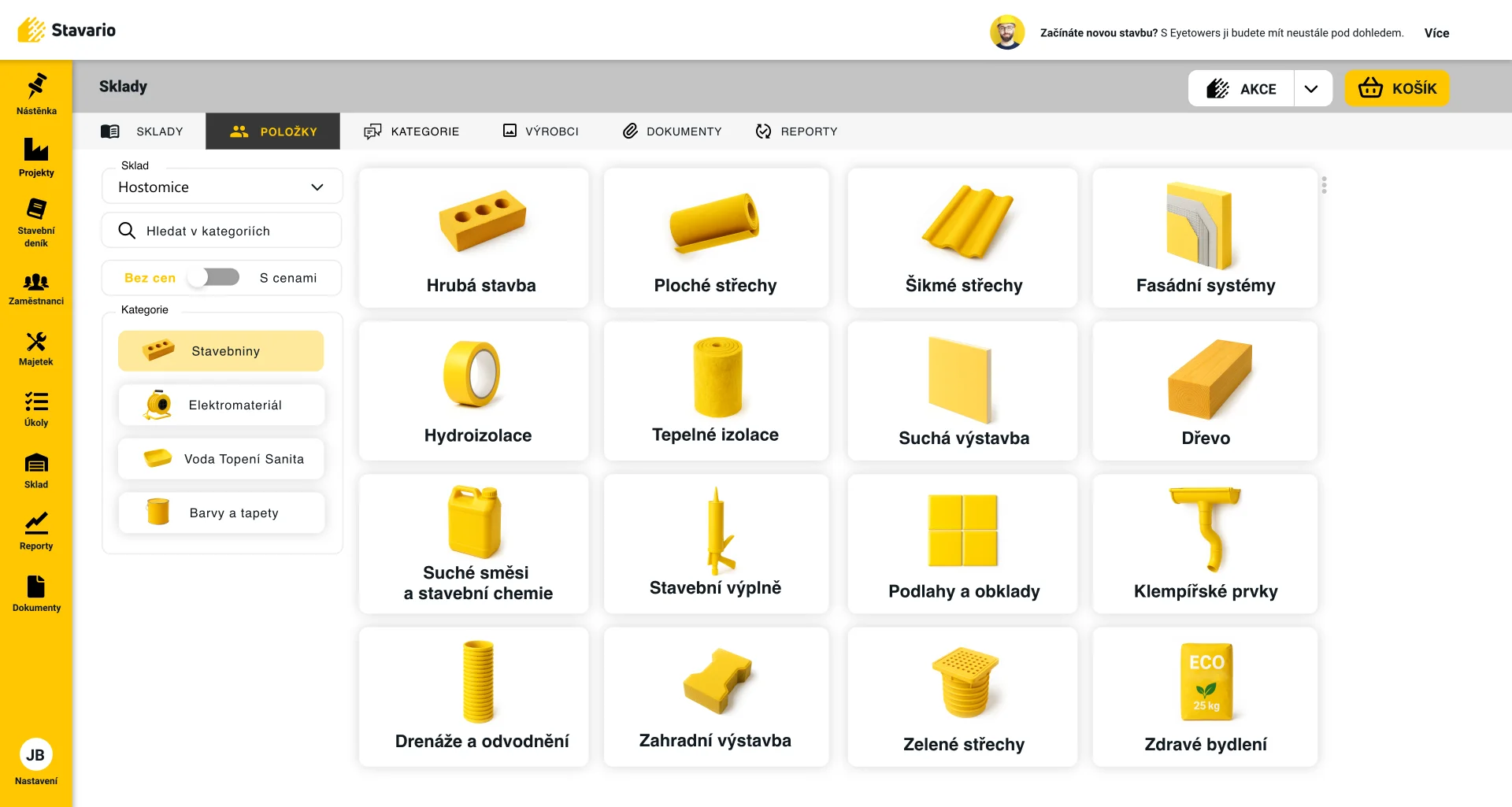
In Stavario, warehouse and material information sits inside the same system used for projects, construction logs, time tracking, tasks, planning, assets and other operational data. That means material management does not have to live in a separate database disconnected from the jobs themselves.
Companies can work with different warehouses and materials, record receipts, issues and transfers, and keep a history of material movements. Stock can be managed in the context of the projects where it is actually being used.
The value is not simply that another spreadsheet has been digitised. The value is that material information becomes part of the same operational environment as the rest of the project. Before reordering, somebody can check whether the item already exists elsewhere in the company. When material moves between jobs, the transfer can be recorded rather than reconstructed later from calls and messages. For companies already running several jobs at once, that connection matters.
Warehouse management in Stavario is currently available without an additional module fee. This means a contractor can start with one real warehouse or one live project and test the process before rolling it out more widely.
Start with one real warehouse
Use actual materials, record a receipt, make an issue and transfer stock to a live project. Within a few days, you will know whether the information is genuinely easier to find.
Explore warehouses in Stavario
The best test takes less than a minute
There is a very simple way to find out whether your material management process is working. Pick an item that regularly moves between your warehouse and jobsites. A few days after the latest movement, ask somebody who was not involved: how much do we have, and where is it right now?
If the answer can be found in seconds, the information flow is working. If the person still has to call the warehouse, a site manager and two crew members, the underlying problem remains. Maybe the software is too complicated. Maybe movements are not being recorded. Maybe the process does not reflect how the team actually works.
The most important measure is not how impressive the reporting dashboard looks. It is whether a normal operational question can be answered without finding the one person who “probably knows”. Good material management reduces dependence on memory. It gives the team useful information before a small uncertainty becomes an unnecessary order, an extra trip across town or a delay on site.
The key question is therefore not: “Do we have inventory software?” A much better question is: “Do we know what we have and where it is right now?” If the answer is immediately available, the material system is beginning to support the job rather than create more administration.
Test it with real material
Start with one warehouse, real stock and one active project in Stavario. Record receipts, issues and transfers and see whether the information is easier to find in everyday operations.
Frequently asked questions

Josef Beneš
CEO Stavario
20+ years of experience in construction